
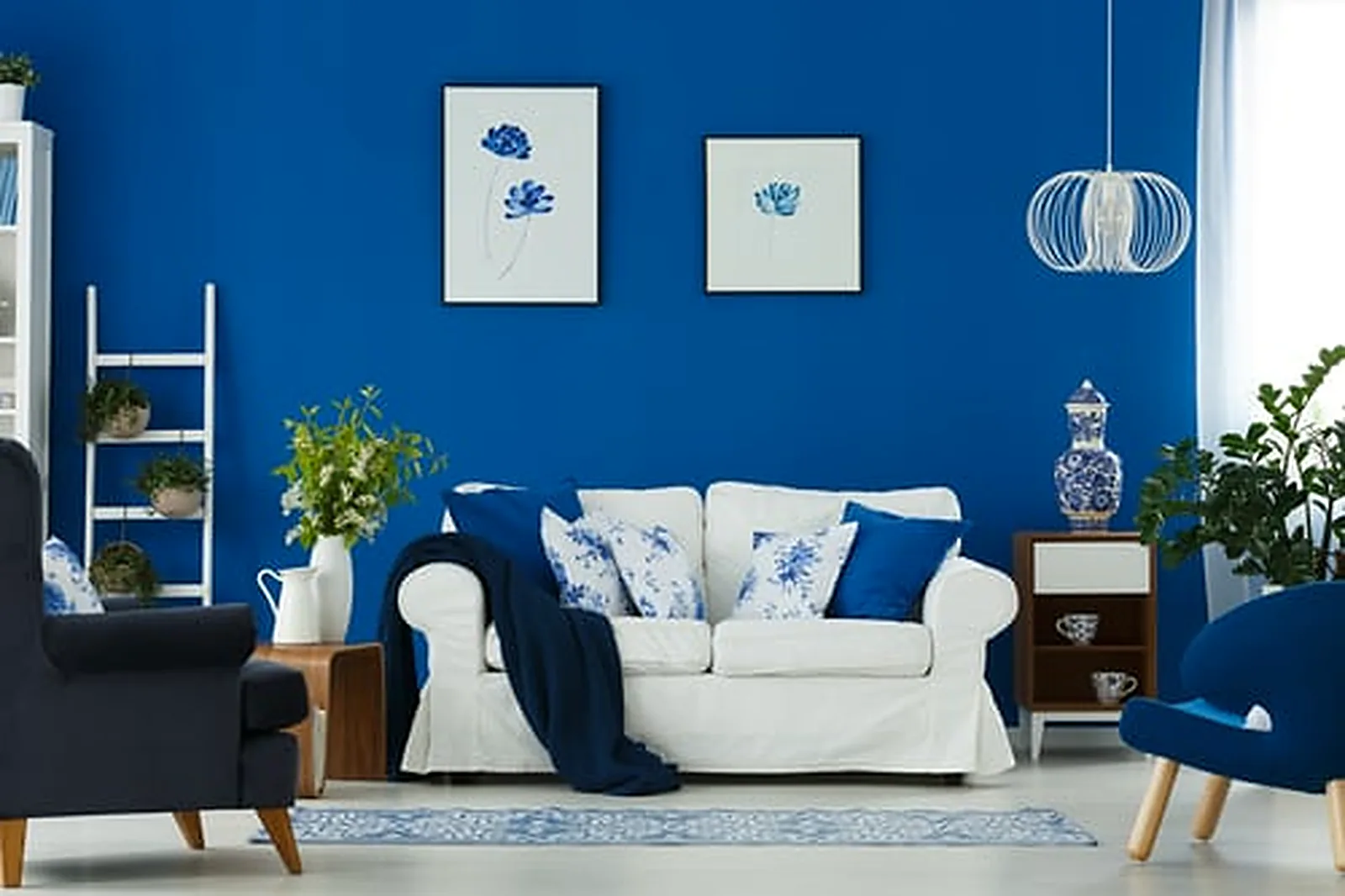
Old East Bay houses have deep eaves, dark trim, and fog. Here is how to pick interior colors that still look right at three in the afternoon.
Older homes in Berkeley, Albany, and Kensington were not built for the way we live now. Deep eaves, small original sash windows, dark-stained fir trim, and a fog layer that can sit over the flats until noon. A color that looked warm and easy in a bright showroom can turn gray and lifeless in a 1912 dining room by three in the afternoon. Choosing well in these houses is less about trend and more about reading the room's actual light across a full day.
Berkeley light is not the light on the paint chip
North-facing rooms get cool, steady, blue-leaning light all day, which pushes gray paint toward the cold end and can make a soft white read like concrete. West-facing rooms flip: neutral at ten in the morning, then flooded with orange at six in the evening, which turns a beige into something closer to peach. East Bay fog adds a third variable, dropping light levels for hours at a stretch. The same gallon behaves like three different colors in one house.
Two numbers help more than any swatch name. Light reflectance value tells you how much light a color throws back, and in a dim north room anything under about fifty will feel heavier than you expect. Undertone tells you which way it drifts. Most grays carry green, blue, or violet underneath, and unfinished fir or dark-stained redwood trim will pull the warm ones orange. Hold your candidate against the trim, not against a white ceiling, because the trim is what it has to live with.
Sample the way you actually live in the room
- Paint your samples at least two feet square and two coats thick, with a border of the existing wall color around them so contrast does not fool your eye.
- Put the same sample on a north wall and a west wall in the same room, then check it at nine in the morning, at three, and after dark under your own lamps.
- Live with the finalists for at least three days, including one gray fog day. Fog is the honest test in this part of the Bay.
Sheen and prep do half the work
In older houses the walls are rarely flat. Original plaster waves, patched lath, and eighty years of settling all show up under light, and the shinier the paint the more they show. Matte or a true flat is usually right on ceilings and living room walls. Eggshell earns its place in bedrooms and dining rooms. For hallways, stairwells, kids' rooms, and anywhere hands and dog tails land, satin cleans up without looking plastic, and trim and doors take semi-gloss.
One more thing specific to these houses. Anything built before 1978 may have lead in the older layers, so we test and use lead-safe practices, containment, wet sanding, and HEPA cleanup rather than dry-scraping a nursery. And remember that dry is not cured. Most interior acrylics are dry to touch in an hour and ready to recoat in four, but need two to three weeks to reach full hardness. Go easy on scrubbing and do not push furniture against fresh walls.
Color is the part people agonize over, and it is also the part that goes fastest once someone helps you narrow it. Liquid-Culture will walk your rooms, look at your trim and your light, and talk through options that hold up in an older East Bay house. Jose Gonzalez has spent twenty-six years watching how these colors behave here. Call (510) 689-8822 for a free estimate and an honest conversation before you commit to a gallon. Neighbors you send our way earn you a referral reward as well.