
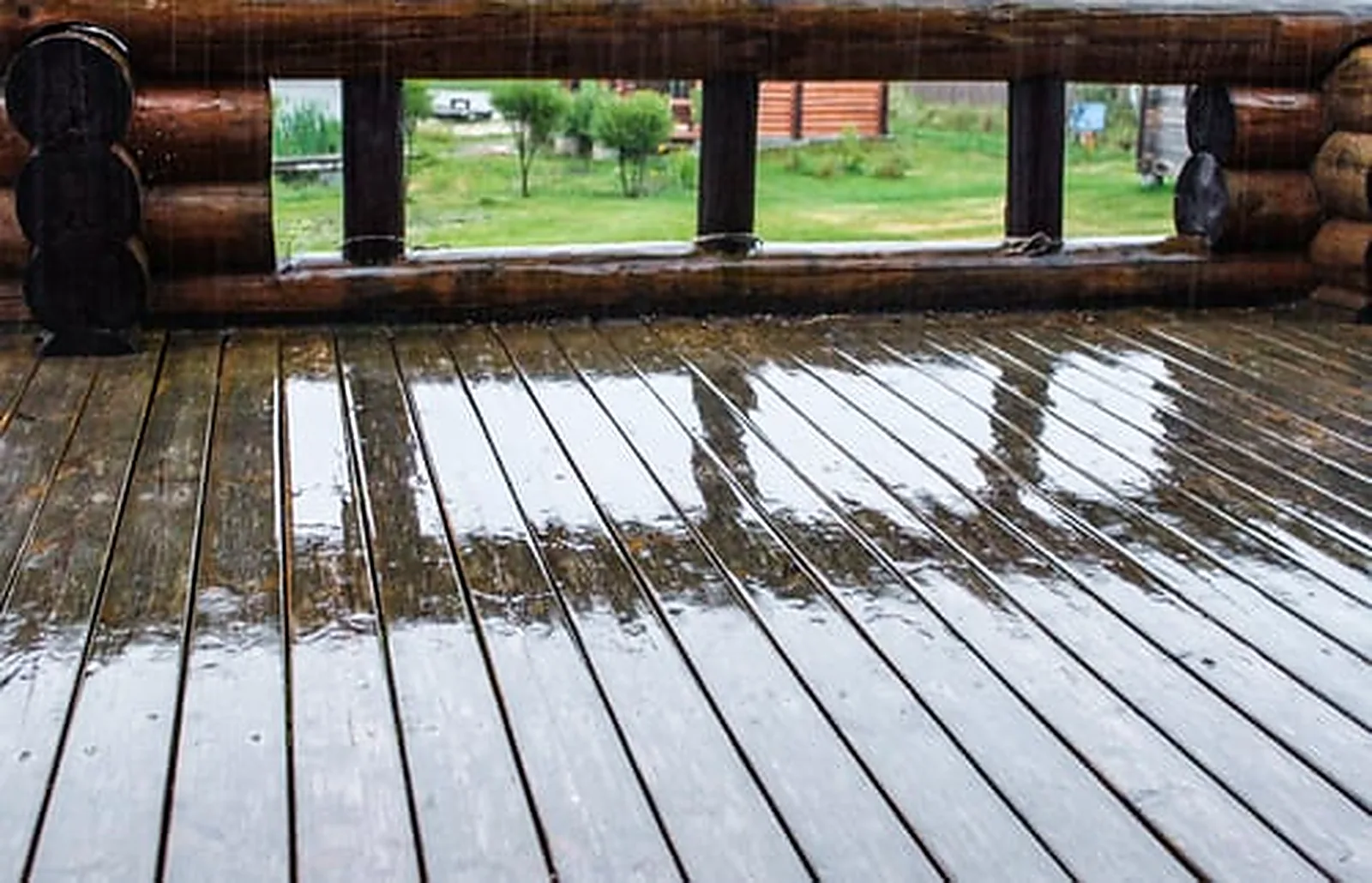
Wet winters, bone-dry summers, and nightly fog make deck finishes fail fast here. What to use, when to apply it, and the prep that actually matters.
Bay Area decks live through a strange year. Four or five months of steady rain, then five months with almost none, plus daily fog in the flats and hundred-degree afternoons twenty miles inland. Wood expands, contracts, cups, and checks on that schedule whether or not anyone coats it. Getting a deck through it comes down to three decisions: what you put on, when you put it on, and how honest you are about the wood underneath before you start.
Penetrating stain beats film on anything you walk on
A film-forming coating sits on top of the wood. On a railing or a fence it can last for years. On a walking surface it cracks under foot traffic, water gets under the edge, and within two seasons you are scraping. Penetrating oil or oil-modified semi-transparent stain soaks into the fiber instead, so when it wears it wears thin rather than peeling. That means a maintenance coat instead of a strip-and-restart. On redwood and cedar decks here, that is almost always the better trade.
Timing is the part most people get wrong
The window in the East Bay is roughly late May through early October, and even then the fog belt narrows it. Wood needs to read under fifteen percent moisture on a meter, which means several dry days after the last rain, not one. Just as important is the evening. Stain applied at four in the afternoon in Albany or El Cerrito can be ruined by dew before nine. We stop early, work the shaded elevations first, and never coat a surface that is hot to the touch.
The prep that decides how long it lasts
- Clean with a wood cleaner, then neutralize with an oxalic acid brightener. Skipping the brightener leaves the fibers alkaline and dulls the color of the new stain.
- Keep the pressure washer under 1,500 psi with a fan tip and keep moving. Blasting redwood raises the grain and leaves fuzz that drinks stain unevenly.
- Back-brush everything. Stain that is only sprayed sits on the surface and never penetrates the way the label promises.
- Flood the end grain, the board ends, around every fastener, and along the joist tops. That is where water enters and where rot starts.
Expect to maintain a deck floor every one to two years and railings every three to four, because horizontal surfaces take the sun and standing water. Maintenance is easy if you stay ahead of it: wash, brighten, and recoat. It gets expensive once the stain has failed completely and the gray, weathered fiber has to be sanded back. A deck that gets touched every other summer will outlive one that gets a heroic restoration every eight years.
If your deck beaded water last winter and soaks it up now, it is asking for a coat. Liquid-Culture handles deck staining and sealing along with fence restoration across Berkeley, Oakland, Lafayette, Orinda, Moraga, and the rest of the East Bay. Jose Gonzalez will read the moisture, look at the fasteners and the framing, and tell you whether it needs a maintenance coat or real repair first. Call (510) 689-8822 for a free estimate, and ask about our referral reward if you send a neighbor our way.